The 7 Best RV Tankless Water Heaters (Reviews For 2026)

Do you own an RV? If so, chances are you know that keeping your water tank full can be a real pain. Not to worry though, because today we’re going to talk about the top RV tankless water heaters on the market!
These heaters are perfect for people who like to camp or travel, because they don’t require a water tank. Instead, they use gas or propane to heat up your water as you need it.
When it comes to choosing an RV tankless water heater, there are a lot of factors to consider. Size, price, and features are just a few of the things you need to think about when making your decision. In this review post, we discuss our top picks on the market today.
RVExpertise.com is reader-supported. When you buy through the links on our site, we may earn an affiliate commission. Visit our disclaimer page for more information.
Best Tankless Water Heaters for RVs
| GIRARD Tankless RV Water Heater | CAMPLUX Mini Tank Electric Water Heater ME40 | EZ 202 LPG Portable Tankless Water Heater | |
|---|---|---|---|
 |  | | |
 |  |  |
|
| Power: | LP gas | Electric, 120 volts | LP Gas |
| Heating: | 42,000 BTUs | 1440 watts | 84,000 BTU |
| Flow: | 6 GPM | 4.0 GPM | 4.0 GPM |
| Other: | Temperature setting range from 95°F to 124°F | Temperature setting from 50°F to 149°F | Ignition source two "D" cell batteries |
Quick Answer: The 7 Best Rated RV Tankless Water Heaters For 2026
- GIRARD Tankless RV Water Heater
- CAMPLUX Mini Tank Electric Water Heater ME40
- EZ 202 LPG Portable Tankless Water Heater
- CAMPLUX Propane Tankless Water Heater
- RecPro RV Tankless Water Heater
- Rheem Tankless Electric Water Heater
- EZ 101 Outdoor Tankless Water Heater – Propane
RV Tankless Water Heater Reviews
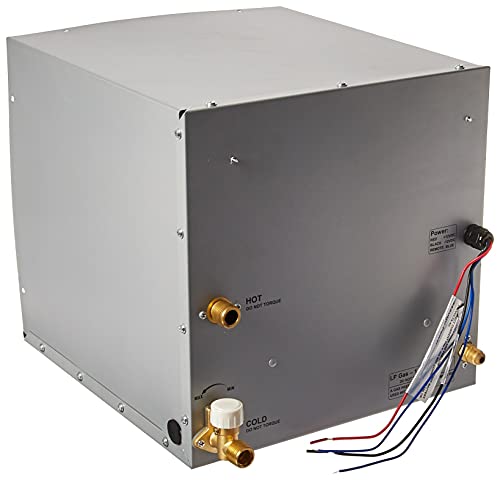
1. GIRARD Tankless RV Water Heater
- Power: LP gas
- Heating: 42,000 BTUs
- Flow: 6 GPM
- Other: Temperature setting range from 95°F to 124°F
Girard has earned its reputation, and the 2GWHAM is the one I’d point you to first if you’re shopping this brand. The thing that gets me every time is how quiet it runs. Most tankless units in this price range hum or knock while they’re firing. This one just works in the background.
It is bulkier than some of the other tankless heaters out there, maybe an inch or two more housing, but that extra size buys you real performance, not marketing.
Freeze protection is built in, so you’re not babying the unit every time the temperature drops. I’ve run mine through a Michigan November without touching it.
It’s an LP gas heater, and the burner adjusts between 95°F and 124°F. That’s a wider range than a lot of tankless units give you, which means you can dial it down for washing dishes or up for an actual shower without fighting the controls. A microprocessor keeps tabs on the temperature so it doesn’t drift on you mid-shower.
Bottom Line
If you want a tankless water heater that’s quiet and does what it says, the Girard 2GWHAM is worth it. It’ll fit in an RV or a small cabin and it’ll get you a real shower, not a lukewarm trickle. One thing to know before you buy. You need decent water pressure to hit that 6 GPM flow rate, so if your rig runs low pressure, keep that in mind.
2. CAMPLUX Mini Tank Electric Water Heater ME40
- Power: Electric, 120 volts
- Heating: 1440 watts
- Flow: 4 GPM
- Other: Temperature setting from 50°F to 149°F
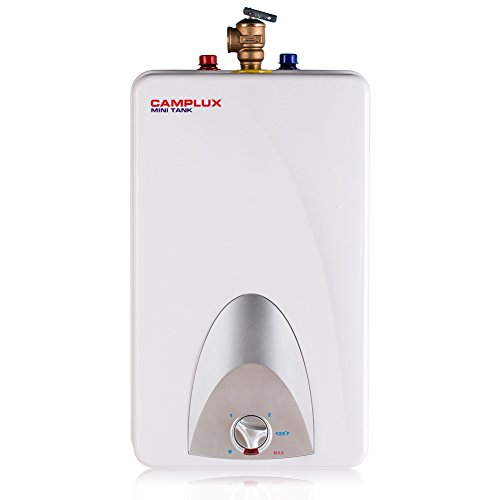
Camplux has been around long enough to earn the reliable label, and the ME40 is the 120V model I’d point you to.
This one holds 4 gallons, and that’s the number that matters. It’s enough for a real shower or a sink full of dishes without running the tank dry halfway through. I’ve used mine at a cabin and in a rig, and it handles both fine.
The insulation is solid and the recovery rate is fast, so you’re not standing around waiting on a second round of hot water. That’s the whole point of a unit like this.
You control temperature with an external dial, and once you set it, the thermostat holds it there on its own. A red lamp stays lit while it’s heating, so you know at a glance whether it’s working or just sitting full.
Safety-wise, it’s got a CSA listed temperature and pressure relief valve. That’s not a nice-to-have. That’s the part that keeps a heater from turning into a problem.
Bottom Line
The Camplux ME40 is small, but 4 gallons goes further than you’d think. It’s a solid choice for an RV, a cabin, or a small vacation place where you want hot water without a full-size tank taking up the space.
3. EZ 202 LPG Portable Tankless Water Heater
- Power: LP Gas
- Heating: 84,000 BTU
- Flow: 4.0 GPM
- Other: Ignition source two “D” cell batteries
The EZ 202 is one of the ones I’d actually recommend without hesitation. If you want a tankless heater you can trust, this is it.
It runs on propane and lights off battery ignition, so you’re not tied to an AC hookup. That matters more than people think. Boondock somewhere without shore power and a unit that needs AC to fire is dead weight.
Temperature control is a simple knob with winter and summer settings. You can adjust the flame level and the water flow separately, and a digital display shows you the water temp so you’re not guessing.
It comes as a kit with a shower head and hose, both portable, which is a nice touch if you’re setting up an outdoor shower at camp. If you’re handy, you can install this yourself. I did mine in an afternoon. No need to pay a shop for it.
With decent water pressure you’ll get 4.0 gallons per minute, and the temperature holds steady once it’s dialed in. You won’t get that scald-then-freeze cycle some cheaper units give you.
Bottom Line
The EZ 202 earns its spot at the top of the list. It’s powerful, it’s simple to run, and most people can install it themselves without calling in help.
4. CAMPLUX Propane Tankless Water Heater
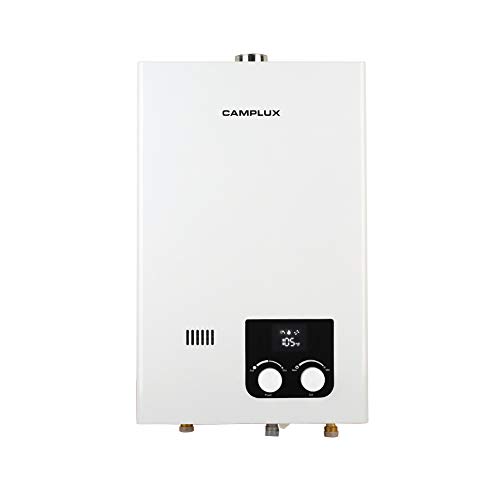
- Power: LP Gas
- Heating: 68,000 BTUs
- Flow: 2.64 GPM
- Other: Anti-Freezing Protection, Max temp 167 °F
The Camplux 10L is the one to look at if you want something dependable that isn’t going to give you trouble down the road.
It runs on LP gas, so there’s no electricity needed to heat the water. Hook up a propane tank and you’re in business. Ignition comes from 2 D batteries, or you can wire it to an electric hookup if you’d rather not deal with batteries.
Temperature and water flow both adjust with a simple dial, no digital menus to fight with. At 2.6 GPM it’s on the lower end for flow rate, so it’s better suited to a smaller rig or a single shower at a time than a family running two faucets at once.
It comes with a hose to hook straight to your water source, and the compact size means it won’t eat up storage the way some tankless units do. It’s also got anti-freeze protection and overheat protection built in, which is worth having if you camp anywhere the temperature drops.
Bottom Line
The Camplux 10L is easy to install and even easier to run. Set the dials for the flow and temperature you want, and that’s the whole job.
5. RecPro RV Tankless Water Heater

- Power: LP Gas
- Heating: 42,000 BTUs
- Flow: 3.0 GPM
- Other: Temperature Range: 95°F – 123°F
RecPro has a solid name in the RV world, and this tankless heater is a good example of why. It’s also priced right for what you get.
The standout here is the low-pressure startup. It only needs 2 PSI to kick on, which matters more than people realize until they’re at a campground with weak pressure and every other unit on their rig refuses to fire. Flow rate is 3.0 GPM, right in the middle of the pack for tankless units this size.
It’s vent-free, so you can install it indoors instead of hanging it on an outside wall. That opens up options if your rig doesn’t have a good exterior spot for one.
Installation is simple enough to be a weekend DIY job. It also runs a magnetic water flow sensor, which is the reason it keeps working when the pressure drops. Most units just quit under 20 PSI or so. This one doesn’t.
Bottom Line
If you camp at parks or campgrounds where the water pressure is never great, this is the RecPro I’d buy. The vent-free design gives you the option to mount it indoors or out, whichever your rig needs.
6. Rheem 11kW 240V Tankless Electric Water Heater

- Power: Electric 240V
- Heating: 11,000 Watts
- Flow: 2.68 GPM
- Other: Temperature Range: 95°F – 125°F
Rheem has been making water heaters longer than most of us have been alive, and the RTE 9 is the electric option I’d point you to if propane isn’t in the picture.
It gives you hot water on demand, no waiting around for a tank to recover. Turn it on and the water’s hot in seconds, which is the whole appeal of going tankless in the first place.
Installation is straightforward, and the compact size means it won’t eat up a storage bay the way some units do. The controls are simple. Set your temperature and you’re done, no menus to dig through.
It’s got a built-in thermometer so you can see the water temp at a glance, and it runs 2.6 GPM, which is enough for a shower or a sink of dishes but not both at once. There’s also a standby mode, with LEDs that show whether it’s active or just sitting idle waiting on you.
Bottom Line
The Rheem RTE 9 is a solid pick if you don’t have propane or just don’t want to deal with it. One thing to know before you buy. It runs on 240V, so check what your rig or setup can actually supply before you commit to this one
7. EZ 101 Outdoor Tankless Water Heater – Propane

- Power: LP Gas
- Heating: 42,000 BTUs
- Flow: 1.6 GPM
- Other: Two (2) D-Cell Batteries, Max temp 140 °F
The EZ 101 is a propane tankless heater that works just as well in a tiny house or a cabin as it does in an RV. It’s built in the USA, and you can feel that in how it’s put together. This one only fires when you actually open the hot water tap, so there’s no propane burning while you’re not using it.
That’s part of why it’s economical. It runs on roughly half the propane of comparable units, and a standard 20 pound tank will get you about 940 gallons of hot water out of it.
At 32 pounds it’s lighter than most of the other units in this lineup, which matters if you’re weight conscious or mounting it somewhere with limited support. Automatic gas modulation keeps the temperature steady, so the unit adjusts itself to match your flow instead of making you chase the dial.
Freeze protection is built in too, so it’ll keep working through the winter as long as water’s actually flowing through it.
Bottom Line
The EZ 101 is the propane unit I’d buy if fuel economy and weight matter to you. It installs easily in an RV and gives you a real hot shower whenever you want one..
Buyer’s Guide For RV Tankless Water Heaters
Now we look at all things you need to know before shopping for a tankless water heater, including how to work out the size you need and how to choose the best one for your set up.
We also compare standard tank heaters and tankless water heaters so you’ll be able to make a better choice before you go shopping. We’ve included a step-by-step guide on how to install a tankless water heater in your RV, and an FAQ section so you’ll be fully prepared by the end of the article.
What Size of Tankless Water Heater Do I Need?
Before you go ahead and buy a tankless water heater for your RV, you need to figure out what size you need. To determine the size, you have to determine the temperature rise you will need, as well as the flow rate.
Always begin by counting the number of devices you would prefer to run. You’ll need to add up the flow rates or the gallons per minute (GPM) of each device. As well as this, determine the temperature of the water source and how hot you would like the heater to make it.
Once you have made these calculations, you should look at the specifications and see the GMP they are able to provide, as well as how high they can take the water temperature.
How Does a Tankless Water Heater Work?
A tankless water heater works by directly heating the water without there being a need for a storage tank. This means that when you turn on a hot water tap, the cold water will move through the pipe and into the heater. Depending on the type of the heater (electric or gas powered), the device will begin to raise the water’s temperature, and you’ll be able to enjoy a continuous supply of hot water.
There’s no need for a tank to be filled and then heated when you’re using a tankless water heater. You can also go ahead and install several tankless water heaters depending on the demands you have.
How to Choose a Tankless Water Heater
Choosing the right tankless water heater for your RV can be a chore if you don’t know what to look for. You don’t want to waste your money on buying a water heater that can’t meet your requirements for hot water, right?
To make things easier for you, we’ve shared certain specifications you should keep an eye on when shopping for one.
Gallons Per Minute (GPM)
The model you purchase should be able to deliver the gallons per minute or the GPM you require. A higher GPM means you’ll be able to use more devices simultaneously, especially those that need a higher GPM such as high-powered showerheads.
Source of Power
You’ll need to see whether you prefer an electric tankless water heater or a gas water heater. Both can heat water, but it all comes down to what you are comfortable with.
Ease of Use
The water heater you buy should be easy to use. No one wants to waste time trying to figure out how to properly use the dials and the knobs to select the temperature you prefer.
Safe to Use
You should opt for tankless water heaters from reliable brands. By doing so, you will be buying a unit which is safe to use and will prevent any heating accidents down the line.
Can Any Tankless Water Heater Be Used in an RV?
Tankless water heaters are designed for the same purposes, whether they are used in homes or vehicles. All the models aim to provide the same goal, which is heating up water for multiple purposes. However, when you want to purchase one for your RV, then many factors must be considered, like size, supply, etc. Otherwise, you may use any unit.
RV Water Heater Tank vs. Tankless – Comparison Overview
Both of these models will get the job done and prove to be efficient. However, they have their own set of features. Here’s how the two variants compare:
Cost
Tank-based models work efficiently and are cheaper than tankless models. However, the latter is worth the huge amount of money as it takes away the hassle of dealing with a tank yet gives you a constant flow of hot water.
Operation
Tank-based models either use a pilot light or have direct ignition of spark. They regulate water, and the built-in safety systems keep water from getting too hot and avoid pressure build-up.
Since these models come with tanks, they occupy more space and don’t offer any advanced technologies. The water inside tank-based models experiences heat loss, meaning they constantly work on reheating the water.
On the other hand, tankless models consist of advanced technological systems and ensure simple operation. They are compact and portable and only occupy very little space. They instantly warm up your water when required, and are perfect for camping trips, in our opinion..
Installation
Installing tank-based models is simple, especially compared with a tankless water heater. That said, tank-based heaters require a tank with a holding capacity of six to ten gallons, depending on the unit’s size.
Tankless RV Water Heater Pros and Cons
Pros
Investing in a high-quality tankless water heater for your RV is going to change your life for the better in more than one way.
Hot Showers
The biggest perk of investing in a tankless water heater for your RV is you’ll get to enjoy hot showers whenever you want.
No More Waiting
A good option will do away with the need for you to wait a long time for the water to heat up to the temperature you want.
Saving Space
A high-quality unit won’t take up too much space, making such heaters perfect for RVs or other small living areas.
Convenience
Having hot water on demand increases overall comfort in your life, especially during the cold winter months. You’ll be able to wash your face with warm water. You will be able to wash dishes with hot water without having to tolerate cold water running through the pipes in winter.
Cons
There is no doubt that tankless water heaters have contributed a lot to RV owners’ comfort level, but they still come with a few disadvantages.
Inconsistent Temperatures
Tankless models have inconsistent temperatures, which is what most people complain about, too. This comes from the heater not being able to flow hot water to different outlets simultaneously. They also do not switch on if the faucet is a little open, like while shaving or brushing teeth.
Limited Supply
These models are designed to supply a steady flow of hot water, but the supply could be limited. If an individual is taking a shower while someone is using the washing machine, this device will not be able to keep up with the hot water supply. A standard water heater can store more gallons of water and supply hot water to multiple sources at the same time.
Types of RV Tankless Water Heaters
The available types depend on the kind of power such heaters use. When searching for the best model, the different types you will come across are:
Propane Water Heaters
These are the most common type of RV tankless water heaters. As the name suggests, they use propane as a power source for heating water. They’re considered to be faster than electric heaters, and they’re easier to maintain.
Electric Water Heaters
The electric water heater is the cheaper selection out there and they are also easier to use than gas models. They don’t make a lot of noise and can be quickly installed.
Combination Type Water Heaters
It’s always good to have options when it comes to these units. A combination type means you can choose whether you wish to use gas or electricity to operate a heater for the hot water you want.
How to Install a Tankless Water Heater in an RV
When installing a tankless water heater in an RV, it is crucial that you refer to the manual. Depending on the model, as well as the source of power (gas or electric), the installation process is going to be different.
However, there are specific vital steps you should follow before installation.
- Always make sure the water supply is off.
- Also, make sure the gas supply is off.
- Ensure the DC electrical connection is turned off in the RV from the main power supply.
- Carefully detach any model previously installed in the RV.
- Clean the space.
- Install the new unit.
- Make sure it fits perfectly.
Certain models can be installed outside while some can be installed inside the RV. It all depends on the type of model you are comfortable using. Again, always make sure to refer to the manual for safety reasons. Also, remember to test it after installation to see if you did it correctly.
FAQs About RV Tankless Water Heaters
In this section, we have answered some common questions people tend to have about tankless water heaters.
Can You Put a Tankless Water Heater In an RV?
Yes, you can. In fact, RV users want to put a tankless water heater in their RVs. It occupies very little space, but you want to place it somewhere it can be well connected to the power supply. However, these devices can be installed outside your RVs as well.
How to Winterize an RV Tankless Water Heater
Your tankless water heater will likely need to be winterized when not in use for a while. It is important to protect your device and plumbing system, so it does not fail to work when needed. You will have to take some steps to complete the process.
First, switch off the power and gas. Drain out your unit completely as there might be some water left in it. Reach out to the main valve and shut off the water supply. To release pressure and to allow the system to drain out from the plumbing system, open the taps. Then, detach the water pipes from your device and remove the inlet water filter. Lastly, collect the remaining water and ensure it completely drains out.
How to Keep a Tankless Water Heater From Freezing
There’s more than one way for you to keep a tankless water heater from freezing.
- Installing your heater in a warm place is generally advisable.
- Draining your water heater can prevent standing water from freezing.
- Having the heater connected to electricity can ensure the unit’s freeze protection feature continues to work.
- Having insulated piping can also help ward off frozen pipes.
- Running a trickle of hot water throughout the night can also prevent freezing.
How Many Amps Does a Tankless Water Heater Use?
The number of amps a model will use to heat the water to the temperature you want depends on the model you are using. On average, an electric unit will need 120 amps to operate. While electric water tanks can help you save money on energy consumption in the long run, you need to make sure your RV’s total electrical capacity is able to provide the heater you are interested in with the amps it needs.
How to Vent a Tankless Water Heater
Tankless water heaters are commonly vented in two ways. There is the direct vent and the power vent. The direct-vent heaters will pull the air in from the outside. They have two vents. One is for intake, and the other serves as the exhaust.
Power vent units only need an exhaust vent. That is also why it must be installed in a larger area which has enough air for combustion.
Outside units are built to resist below-freezing temperatures and don’t require additional venting.
You can have a tankless water heater vent through a side wall or the roof. The more traditional gas units will need to be vented through the roof.
Final Thoughts About RV Tankless Water Heaters
Tankless water heaters are very convenient and perfect for life in an RV. They take up less space and offer hot water when you need it.
They’re perfect for people who camp or travel frequently, because they don’t require a water tank. Instead, they use gas, propane, or electricity to heat up your water as you need it. So what are you waiting for? Go get the best RV tankless water heater for you today!
We hope this article proved to be a valuable resource for you, and if you chose any from our review, please feel free to drop us a line letting us know how it has improved your road trips.
Effectiveness
Features
Value
The GIRARD Tankless RV Water Heater is our Editors Choice for the best RV tankless water heater

Hello, fellow wanderers! I’m Alyssia. Since 2008, my husband and I have called an RV our home, journeying through life one mile at a time. Our nomadic lifestyle has led us to over 70 countries, each with their unique tales that have shaped our own.
I share our stories and insights right here, hoping to inspire and guide you in your own adventures. Expect tips on RV living, our favorite camping spots, breathtaking hiking trails, and the joys and challenges of an ever-changing view from our window. Alongside, you’ll also find practical advice on outdoorsy stuff, designed to equip you for any journey. Join us as we continue to explore the vast, beautiful world on wheels!