Pet-Friendly RV Travel: The Ultimate Guide for Exploring the Road With Dogs & Cats
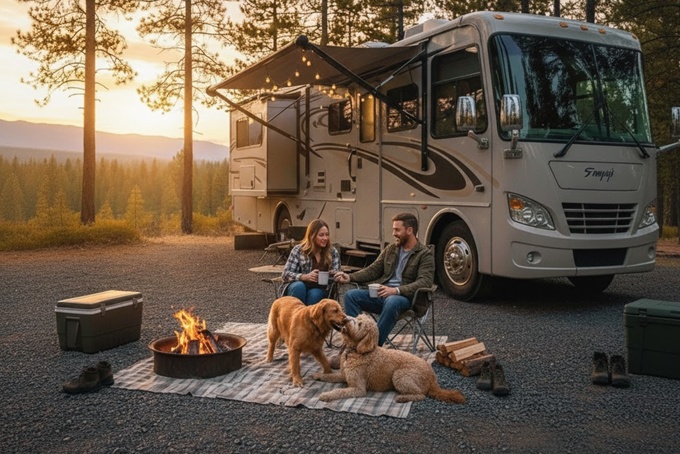
There’s something undeniably heartwarming about taking on the open road with your best furry friend riding shotgun – whether that means ears flapping in the breeze or curled up in the passenger seat. Pet-friendly RV travel isn’t just possible; it’s actually becoming one of the most rewarding ways to adventure.
But there is a bit of a catch: traveling with pets adds its own challenge of logistics, safety planning, and creature-comfort strategy. With proper preparation, though, your RV becomes a rolling home-sweet-home for everyone aboard.
This deep dive is your go-to guide for taking pets – especially dogs and cats – into the RV lifestyle without stress (or ideally hairballs in your shoe). I’ll go into pet-friendly campgrounds, safety must-dos, packing lists, training tips, and how to keep animals comfortable, happy, and safe on the road.
1. Why RV Travel Is Actually Amazing for Pets
By now, you probably know that pets do best with routine, security, and familiarity. RV travel actually gives you much more control than hotels, planes, or rental cars ever could. Your pet gets their own territory – a place that’s “home”, in a way. Their bed, toys, smells, bowls – it all goes with them.
Benefits of bringing pets in an RV
- No hotel restrictions
- Fewer transitions = less anxiety
- Easy access to outdoor space
- You can regulate temp, lighting, and noise
- No stressing about pet sitters or boarding
- More time spent adventuring together
Dogs love the hikes and lakes along the way, and cats love high perches and quiet napping corners. It’s a win-win for everyone.
2. Pre-Trip Prep: Veterinary Basics & Documents
Before you set out on the road, do a quick “pet-check” to avoid unexpected chaos along the way.
Vet visit checklist:
- Up-to-date vaccinations (especially rabies)
- Flea/tick/heartworm prevention refills
- Health certificate (and birth or adoption certificate, if possible) if you’re crossing borders
- Microchip check (scan to confirm it still reads properly)
- Ask about motion sickness meds if your pet struggles
Pack your pet’s documents
- Vaccination records
- Rabies certificate
- Microchip number
- Recent photo
- Any prescriptions
- Emergency vet contacts for the regions you’ll visit
Keep a folder in your RV in a safe place for easy access.
3. Packing List: Pet Essentials for RV Travel
Just like you have your luggage, think of this as your pet’s travel bag, made just for their life on the road.
Must-haves
- Food + collapsible travel bowls
- Fresh water supply (pets get dehydrated faster during travel)
- Leashes + harnesses
- Poop bags and litter and scoop
- Waste disposal system
- Favorite toys + comfort items
- Medications
- Grooming tools
- First-aid kit (pet-specific)
- Travel carrier or crate
- Pet brush or deshedding tool
- Seat covers or protective throws for furniture
Nice-to-haves
- Pet ramp (older dogs, small breeds, or tall RV steps)
- Portable playpen
- Cooling mat or heated pad (depending on climate)
- Indoor/outdoor portable pet fence
- Window sunshades
- Anti-spill water dish for travel days
For cats, specifically:
- High-sided litter box
- Clumping litter stored in sealed containers
- Cat hammock or window perch
- Scratching post (a compact vertical one fits most RVs)
4. Safety First: Keeping Pets Secure in a Moving RV
This is the part many travelers underestimate. Pets should never roam freely inside a moving RV.
Safe travel options
- Crash-tested harness anchored to seatbelt
- Crate or carrier secured to the floor with straps
- Pet seat booster for small dogs
Temperature Control (Super Important)
RV interiors can heat up super fast, just like a car can.
- Install remote temperature monitoring (the kind that texts alerts).
- Use shades, reflective window covers, or vent fans.
- Never leave pets alone in the RV without air-conditioning or proper ventilation.
- Avoid blacktop parking lots in summer. They heat up like an oven.
On Travel Days
- Keep water available
- Offer breaks every 2–3 hours
- For cats, keep travel litter options on hand
- Secure doors so escape artists can’t bolt when you stop
5. Making the RV Comfortable for Pets
Your RV is now their home, so make sure to set it up thoughtfully.
Create a dedicated pet zone
- A quiet corner for a bed or crate
- A no-cross rule near the driver’s area
- A toy basket
- Easy access to food/water
For cats
Cats LOVE vertical space and cozy hideouts.
- Add a perch on a dresser, window ledge, or counter
- Use storage cubes as cubbies
- Place blankets on top of slide-out lips
For dogs
- Keep a washable rug near the door to control mud and other stuff
- Provide a soft bed or mat in the main hangout area
- Offer enrichment toys on rainy days
Noise management
RVs can be loud: generators, storms, traffic, etc.
- Use white noise (fan, AC)
- Bring anxiety wraps or calming treats
- Cover crates with breathable blankets for safety
6. Training Your Pets for the RV Lifestyle
Training makes the difference between absolute chaos and tranquil traveling.
Before your trip
- Let your pet check out the RV all at their leisure while parked
- Feed them inside to create positive associations
- Practice short drives before setting off on your first journey
- Slowly increase time spent inside
For dogs
- Practice entering/exiting the RV safely
- Teach “wait” at the door to prevent bolting
- Reinforce recall for campground adventures
For cats
- Reinforce carrier comfort
- Teach harness use if you want them outdoors
- Practice litter box location stability (try not to move it around if you can help it)
7. Pet-Friendly Campgrounds: What to Look For
Not all campgrounds are equally pet-friendly. I actually didn’t know this before getting on the road for the first time with my fur babies. The vibe and tolerance vary widely, with some encouraging you to bring pets whereas others barely tolerate them.
Amenities to look for
- Pet play areas or dog parks
- On-site trails
- Spacious sites
- Shade options
- Pet washing stations
- Off-leash zones (rare but always the goal)
- Clear walking paths away from roads
Rules to double-check
- Leash requirements
- Breed restrictions
- Noise rules (important for vocal dogs)
- Limit on number of pets
- Pet fees (some charge per night)
Top pet-friendly campground chains
- KOA (Kampgrounds of America) – dog parks, trails, pet amenities
- Thousand Trails – ample open space
- National & State Parks – policies vary, but many do allow leashed dogs
Always call ahead if you’re not 100% sure.
8. Outdoor Safety: Trails, Wildlife, and Weather
Your pet will experience new places, smells, and wildlife. This is amazing, but also potentially risky.
Wildlife awareness
- Keep pets leashed in areas with coyotes, bears, raccoons, or snakes
- Watch for poisonous plants
- Never let them drink pond/river water (Giardia is real)
- Be vigilant of ticks and fleas
Hiking with pets
- Bring collapsible water bowls
- Use harnesses for better control
- Protect paws from hot pavement or sharp terrain
Weather hazards
- Heatstroke: watch for panting, drooling, wobbliness
- Cold temps: bring sweaters/booties
- Thunderstorms: safe indoor space and calming tools
9. Managing Anxiety, Routine, and Long-Term RV Living with Pets
RVs change your pet’s routine, and most will require some time to adjust, just like we do.
Routines help pets feel secure
- Give them meals on schedule
- Walk/hike at consistent times
- Keep the sleeping area stable
- Limit new stimuli on travel days to minimize anxiety and overwhelm
For anxious pets
- Use calming pheromones (Adaptil or Feliway)
- Try routine-building play sessions
- Keep windows cracked (securely) for airflow
- Offer enrichment toys (Kongs, puzzle feeders)
- Try hug vests, if your pet benefits from physical contact when anxious
Cats and long-term travel
Some cats adapt surprisingly well, but:
- They need predictable litterbox access
- They get overwhelmed by constant change
- They love window perches and quiet corners
Give them extra time and patience.
10. Cleanliness & Odor Control in a Small Space
We all know that pets are life-changing, adorable creatures, but that exchange comes at the little cost of them requiring maintenance.
Your RV cleaning survival kit
- Lint rollers
- Enzyme cleaner (for accidents)
- Pet-friendly disinfectant wipes
- Handheld vacuum
- Extra blankets/bedding
Cat-specific odor control
- Use clumping litter
- Scoop daily (twice daily is ideal)
- Ventilation near the litterbox is important
Dog-specific cleaning
- Keep a doormat both inside and outside
- Rinse paws after muddy hikes
- Brush regularly to keep shedding to a minimum
11. Leaving Pets Alone in an RV – When Is It Okay?
Short answer: with serious limits.
Rules of thumb
- Only leave pets alone if temperatures are completely controlled
- Use remote temp monitoring
- Notify neighbors or campground hosts if needed
- Keep curtains closed to minimize stimuli
- Never leave dogs tied outside unattended
If you’re sightseeing for longer periods of time (hours), consider:
- Doggy daycares
- Trusted pet sitters
- Bringing pets with you to outdoor/no-restriction attractions
12. Road Emergencies & Backup Plans
Things happen, so always be ready, just in case.
Emergency prep
- Know the nearest 24-hour vet
- Carry a pet first-aid kit
- Have backup water/food
- Keep a spare leash/harness
- Keep handy ID tags + microchip info
If your pet gets lost
- Have a recent photo
- Know how to contact local shelters
- Use social media and campground staff immediately
Speed is always of the utmost importance.
13. The Joy Factor: Why Pets Make RV Life Better
At the end of the day, traveling with pets is wholesome chaos in the best way.
Traveling with pets means:
- Every hike is more energized and fun
- Quiet nights feel cozier
- You meet more people, as animals tend to be friend magnets
- Your pets become enriched, stimulated, and happier
- Your RV truly feels like home
RV life with pets is fuller, funnier, maybe a bit messier, and sweeter. It takes planning, but the payoff is unmatched.
Final Takeaway: RV Travel With Pets Is 100% Doable (and Fun)
Traveling with dogs or cats in an RV isn’t too hard once you break it down into safety, comfort, routine, and the right equipment. Pets quickly learn how to live travel life, and many thrive with the additional time outdoors and extra time with you.
With intention and preparation, your furry copilot will be living their best adventure life – napping, sniffing trails, watching wildlife from the dash, and reminding you that every day is better with a pet by your side – even on the road.