How to Choose the Best RV Park: 10 Essential Factors to Consider
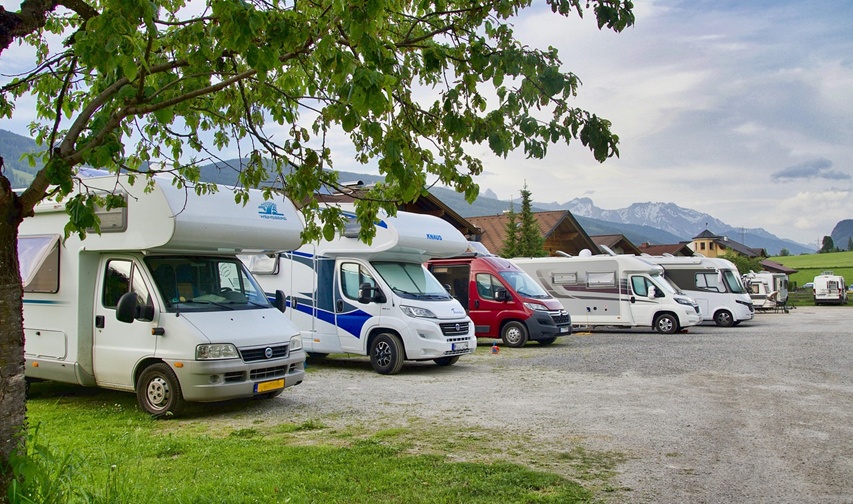
Choosing an RV park sounds simple enough, until you pull into a site that looks nothing like the photos, has zero cell signal, barking dogs everywhere, and a neighbor running a generator without pause.
Trust me when I say that even after being on the road for just a few weeks, you’ll realize that where you stay can shape your entire RV experience.
This guide is for people who don’t just want “a place to park,” but want a spot that actually supports the way they travel, work, rest, and live. If you’re looking for fewer generic tips, more nuance, and the kind of details you only notice after dozens of stays, I have you covered
Whether you’re full-time, part-time, weekend wandering, solo, or traveling as a couple or family, these are the 10 essential factors that separate good RV parks from the gnarly ones.
Location: Convenience vs Experience (You Can’t Have Both Every Time)
Let’s start with the obvious one – what are you looking for in an RV park?
You’ll quickly learn that parks go far beyond just geography. Are you staying somewhere to explore a city or nearby attraction? Perhaps you’re looking to disconnect or work remotely in a beautiful location. Or maybe you just want somewhere you can rest easily between drives.
RV parks near cities offer convenience: groceries, hospitals, attractions, and easy access to highways. However, those often come with trade-offs, like noise, tighter sites, light pollution, and (generally speaking) less natural beauty.
Meanwhile, parks in forests, deserts, or near lakes are more immersive, gorgeous, and peaceful, but require planning for supplies and connectivity.
The best RV travelers get clear on why they’re stopping somewhere before they do it. A one-night transit stop doesn’t need charm, but a two-week stay absolutely needs some major redeeming factor. Location should support your goals and make the stop worth it in some way or another.
Site Layout & Spacing: Privacy Is a Luxury
This is one of the biggest quality-of-life factors, and one of the hardest to judge online. There have been so many times that I’ve seen photos online of a site that made it look like some remote paradise, only to get there and discover it was just some good timing and angles.
Some RV parks pack rigs in like sardines, maximizing revenue at the expense of comfort. Others prioritize spacing, thoughtful angles, and natural buffers like trees, bushes, or elevation changes. The difference is night and day.
When evaluating a park, look closely at photos of actual sites – not just the entrance or clubhouse. Ask yourself:
- Can I open my awning without staring directly into someone else’s window?
- Is there room for outdoor chairs or a mat?
- Are sites angled for privacy or lined up in rows?
Spacing matters even more when it comes to longer stays. There are factors that are fine for one night but can feel claustrophobic after a few days.
Hookups & Utilities: Details Matter More Than Labels
“Full hookups” sounds great, and the first time I saw that term, I thought that everything was going to be just perfect. However, I now know it’s not a guarantee of quality.
Water pressure can be inconsistent, electrical pedestals can be outdated, sewer connections can be awkwardly placed, or just be wiggly. These small details directly affect daily comfort and stress levels. I’m not going to go into just how insane bad sewer connections can make you, but just trust me!
If you’re staying more than a night or two, reliable utilities are absolutely necessary. Look for parks with modern infrastructure, clearly marked hookups, and good maintenance reviews (3-star reviews tend to be more authentic). If you work remotely or rely on climate control, electrical reliability becomes particularly important – especially if we’re talking about extreme weather or temperatures.
Also consider whether the park supports your style of travel. If you enjoy boondocking or solar-heavy setups, some parks can be quite restrictive. Others work perfectly for low-impact living.
Connectivity: Wi-Fi, Cell Signal, and the Reality Check
Let’s be honest: RV park Wi-Fi is often… aspirational.
Some parks genuinely invest in strong networks, and I do feel like they’re getting better, constantly. However, many do not. If you work remotely, stream content, or need reliable communication, cell signal matters more than advertised Wi-Fi.
Before booking, check multiple sources for signal reports. Reviews often mention which carriers work best, so I always recommend checking them thoroughly beforehand. If you rely on hotspots or boosters, location and surrounding terrain become critical.
And here’s the reality check: great views and great signal don’t always exist simultaneously. Sometimes you have to make a decision between one or the other. Knowing that ahead of time helps manage expectations and backup plans.
Noise Levels & Park Culture: The Vibe Is Real
Every RV park has a culture, even if it’s not advertised that way, necessarily.
Some parks cater to families, with kids riding bikes, being a bit loud, and playing until sunset. Others attract retirees seeking quiet, relaxed evenings. Some are social hubs with potlucks and events, which are great for meeting other people. Others are strictly “park, sleep, leave.”
None of them are better than the others, generally speaking – it just comes down to what vibe you are looking for.
Read reviews carefully for clues about noise, long-term residents, seasonal workers, or party culture. Pay special attention to quiet hours and enforcement, as this is how I almost got in trouble one time with a Bluetooth speaker (oops). Ask yourself whether the park’s overall vibe aligns with yours.
Amenities: What Actually Enhances Your Stay
Amenities look great on listings, but not all amenities are equally valuable. Again, it largely comes down to what you’re looking for. For example, I’m not personally a huge fan of pools while I have friends that make it practically their top priority.
Pools, laundry facilities, dog parks, bathhouses, fitness rooms, fire pits – these can significantly improve long stays. But only if they’re well-maintained, thoughtfully designed, and come with rules that visitors actually follow.
Going back to the pool example – there’s a massive difference between kids doing cannonballs in an unheated pool and splashing water everywhere and a serene, heated poolside experience.
I will say that a clean laundry room can be life-changing – it’s something that’ll have me instantly extend my stay somewhere. A poorly managed dog park can be a nightmare, and if that’s the case, it’s almost pointless to have one.
Rather than chasing the longest amenity list, focus on what you’ll actually use—and what reviews say about condition and upkeep.
Pet Policies: Don’t Skip the Fine Print
If you travel with pets, this factor deserves special attention.
Many RV parks are “pet-friendly,” but that label covers a wide spectrum of possibilities. Some have generous leash areas, trails, and pet washing stations. Others allow pets but make it very clear they’re not enthusiastic about it – like they have to allow them in order to have business.
Check for breed restrictions, size limits, leash rules, and pet fees. Look for reviews from other pet owners – they’re usually quite honest about whether a park is genuinely welcoming or merely tolerant.
Pet comfort directly affects your comfort, and it feels awkward being somewhere your pet doesn’t feel welcome. A park that works for you but stresses your animal isn’t sustainable long-term.
Safety & Maintenance: The Invisible Essentials
You may not always notice good maintenance, but you’ll definitely notice bad maintenance.
Well-lit roads, clearly marked sites, responsive staff, clean facilities, and correctly operating infrastructure all lend to a park that takes safety seriously. For me, this is one of the most important aspects to consider. These details create a baseline sense of ease that’s hard to tangibly measure but easy to perceive.
Safety isn’t just about crime, though – it’s about feeling comfortable walking your dog at night, trusting your hookups, and knowing staff will respond if something goes wrong. I’ve done some solo RV traveling as well, and feeling safe is something that money just can’t buy.
If reviews repeatedly mention broken facilities, inattentive management, or unresolved issues, take that seriously.
Length of Stay Flexibility: Short-Term vs Long-Term Fit
Not all RV parks are designed for long stays – some are just for sleeping and continuing on with your journey.
Some work well as purely overnight stops, with easy access, quick check-in, and minimal hassle. Others are perfect for stays for over weeks or months, offering community, stability, and space to really settle in.
If you’re staying longer, ask about monthly rates, mail handling, community events, and how transient the park feels. Constant turnover can feel a bit crazy if you’re trying to establish routine.
The best long-term RV parks find a balance between welcoming newcomers and supporting those who stay awhile.
Reviews, Reputation & Reality Checks
Reviews are hugely important, but only if you read them strategically. As I always say, focus more on the 3-star reviews, as these tend to be the most honest. Like with most things, places tend to boost reviews with fake 5-stars and competitors may infiltrate with fake 1-star reviews. It’s not a rule, but it does happen.
However, don’t focus just on star ratings. Read recent reviews, look for patterns, and pay attention to what type of traveler is leaving feedback. For example, a negative review from someone expecting luxury at an obviously rustic campground might not apply to you.
Photos from guests are often more revealing than official listings. They show real spacing, real conditions, and real surroundings.
Trust your instincts above anything else, though. If something feels off – even if the price is good – it usually is.
Putting It All Together: Choosing the “Right” RV Park for You
There’s no “best” RV park in the world out there – it’s all about what you’re specifically looking for.
It’s the place that perfectly works with the way you travel, what you value, and where you are in your journey. I tend to go for the quick-stop kind of parks earlier on in my journey and like to relax more later on. For you, the ideal park may be a quiet forest campground with limited amenities.
Maybe you’re going for more of a polished resort-style park near a city. Sometimes it’s simply the right stop on the right day.
It’s hard to find perfection, but you’ll quickly learn about what you like and what you don’t.
Common Mistakes (And How to Avoid Them)
One of the most common mistakes is prioritizing price over comfort. A cheap site that disrupts sleep, work, or peace of mind is anything but a good deal, trust me!
Another is overbooking without flexibility – driving means that things happen and plans can change on a whim. You’ll almost certainly encounter weather slowing down journeys, perhaps something mechanical, or even burnout from driving.
Choosing parks with reasonable cancellation policies allows for a bit more leeway, so you’re not losing any money or time. I think that it bears repeating, but don’t ignore intuition. If a park feels wrong, even if you can’t articulate why, listen to that instinct.
Final Thoughts: The RV Park Is Part of the Journey
RV parks go far beyond functionality as just places you sleep – they’re where your real life happens. They largely dictate your routines, your mood, your productivity, and your sense of ease on the road.
There’s no reason to not be picky here, as they play such a huge role in your experience!
When you find an RV park that truly fits, you’ll feel it immediately. You’ll feel happier, less stressed, and hopefully like you can stay as long as you want. The space works. And suddenly, the road feels less like a series of stops and more like a lifestyle that actually supports you.
Finding the right RV parks make this lifestyle so much more rewarding!