How to Prepare Your RV for Winter Travel
A complete guide to cold-weather RVing with confidence
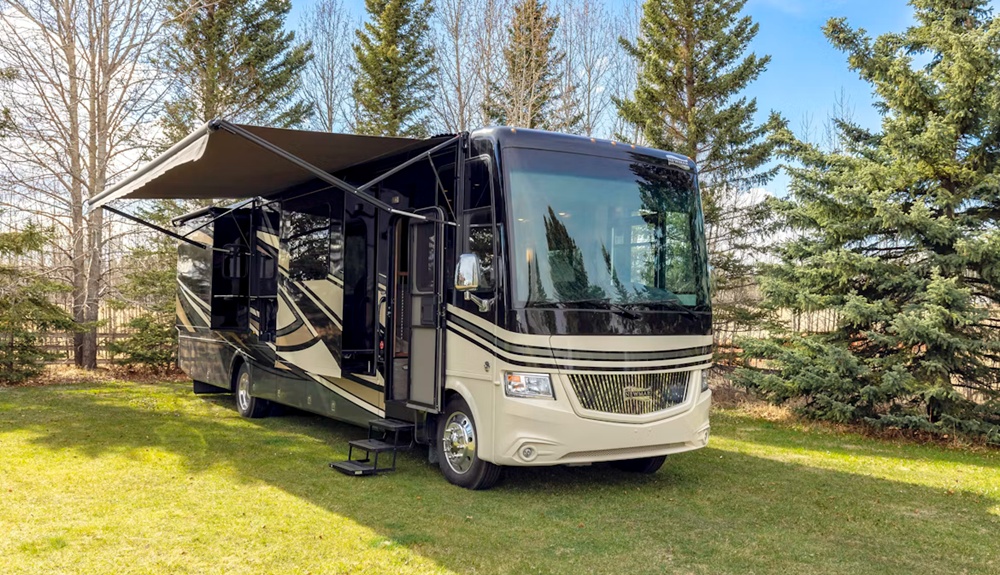
Winter RV travel can be one of the most rewarding ways to explore the world – fewer crowds, dramatic landscapes, and a quieter, more intimate experience on the road. I love it so much to the point that I wish I’d have jumped on it earlier.
However, cold-weather camping also comes with a different set of challenges. Freezing temperatures, snow, ice, and moisture can quickly turn a great trip into a frustrating (and expensive) one if your RV isn’t properly prepared.
Luckily, this was something I was paranoid about, so I did everything in my power to prepare accordingly.
This guide will take you through exactly how to get your RV ready for winter travel. Whether you’re planning occasional cold-weather trips or full-time winter RV living, these steps will help protect your vehicle, maintain comfort, and keep everything running reliably and seamlessly. All you have to do is focus on the beauty and experience at hand!
1. Understand the Difference: Winterizing vs. Winter Travel Prep
Before diving in, it’s important to distinguish between two commonly confused concepts:
- Winterizing (storage): Preparing your RV to sit unused in freezing temperatures
- Winter travel prep: Preparing your RV to operate in freezing conditions
This guide focuses on the latter, though some winterizing principles still apply, especially when it comes to protecting your water systems.
Common challenges when traveling in an RV in winter include:
- Freezing water lines/tanks
- More propane usage
- Battery drain when the weather’s cold
- Potential road and weather hazards
2. Insulate Your RV for Cold Weather
Most RVs are not designed for extreme winter conditions unless they’re specifically labeled as “four-season.” However, chances are, that’s not the case with your RV. Even then, additional insulation can make a huge difference in how warm and dry the inside stays.
Key Areas to Insulate
Windows
- Use thermal curtains or reflective insulation (like Reflectix)
- Apply shrink-film insulation kits for a tighter seal
Insulating windows will keep your RV warmer and reduce your electricity bill.
Doors and Seals
- Check for drafts around entry doors, slide-outs, and storage compartments
- Replace worn weather stripping or use draft blockers to seal any gaps
Floors
- Use rugs or foam mats to reduce heat loss
- Consider insulated skirting if staying parked for extended periods
RV Skirting (Highly Effective)
Skirting is essentially insulating the undercarriage of your RV. It completely encloses the space underneath your vehicle, reducing heat loss and protecting tanks and plumbing. It does a fantastic job of keeping snow out and protecting that entire bottom, which also offers additional peace of mind.
Options include:
- Custom vinyl skirting
- Foam board insulation
- Inflatable or fabric systems
Even temporary skirting can dramatically improve heat retention.
3. Protect Your Water System from Freezing
Your RV’s plumbing system is the most vulnerable component in winter conditions. If you’ve spent any time at all living in harsher winter conditions, you know how catastrophic this can be. While running water is one of the parts of RV living that make it feel so easy and convenient, keeping it flowing will require some special planning.
Fresh Water Hose
- Use a heated water hose, or
- Wrap your hose with heat cable and insulated foam
Standard hoses can freeze quickly, even in mild subfreezing temperatures. Don’t let it get to that point.
Internal Plumbing
- Open cabinet doors under sinks to allow warm air circulation
- Let faucets drip slightly during extreme cold
- Monitor indoor temperature carefully
Holding Tanks
- Keep tanks at least partially full to reduce freezing risk (use your hose to fill it then pack it away)
- Don’t keep spigot connected at all times as it can freeze, no matter what
- Ensure tank heaters (if equipped) are functioning
Expert Tip
Avoid relying solely on your RV’s furnace to protect plumbing. It helps, but it’s not always sufficient in sustained freezing conditions.
4. Upgrade Your Heating Strategy
Your RV’s built-in furnace is essential, but not always efficient as a standalone solution. In fact, there have been many times that I’ve been downright frustrated at how complicated heating my RV seems to be.
Primary Heating Options
RV Furnace
- Uses propane
- Heats underbelly in many RVs
- Reliable but propane-intensive
Supplemental Heaters
Electric Space Heaters
- Efficient when hooked up to shore power
- Reduce propane usage
- Choose models with tip-over protection
Infrared Heaters
- Provide steady, even heat
- Quiet operation
Heat Distribution
You may be thinking, “Oh, I only need my RV cold by my bed when I’m sleeping!” or “I only need it up by the driver’s seat!”. However, it’s important that heat is evenly distributed at all times. Cold spots can lead to freezing pipes or condensation issues. Use small fans to circulate warm air throughout the RV.
5, Manage Propane and Power Efficiently
Winter conditions significantly increase energy demand, and propane is the most reliable heat source. You need to keep propane tanks full, though if you have a larger RV, this may mean having someone come to you and have a truck fill your tank.
Doing so on-site is significantly more expensive – alternatively, there are add-ons like attachments that let you hook up a small tank to your RV’s propane regulator instead of going through the on-board one.
Propane Tips
- Carry extra propane tanks
- Monitor levels frequently
- Refill before tanks drop too low (cold reduces pressure efficiency)
Battery Care
Cold weather reduces battery performance.
- Keep batteries fully charged
- Consider insulated battery boxes
- Upgrade to lithium batteries if you frequently camp in cold climates
Shore Power Considerations
- Use a heavy-duty extension cord rated for winter conditions
- Protect connections from snow and moisture
6, Prevent and Control Condensation
Condensation is one of the most overlooked challenges in winter Rving, and is something I initially overlooked. Without sufficient ventilation, you can end up with mold and mildew, which becomes a serious problem on its own.
Why It Matters:
- Leads to mold and mildew
- Damages interior surfaces
- Reduces insulation effectiveness
How to Reduce Condensation:
- Use a dehumidifier (electric or moisture-absorbing products)
- Ventilate regularly, even in cold weather
- Cook with lids on pots to reduce steam
- Wipe down windows and surfaces daily
Ventilation Tip
It may feel weird, but slightly cracking a roof vent helps maintain air quality, keeps airflow, and reduces moisture buildup.
7. Prepare Your Tires and Exterior
Winter roads demand more from your RV’s exterior components, and when it comes to slippery, icy, and snowy conditions, they’re vital to your safety.
Tires
- Check tire pressure frequently (cold reduces PSI)
- Ensure proper tread depth
- Consider snow-rated or all-weather tires
Traction Equipment
- Carry tire chains if traveling through snowy or mountainous areas
- Practice installing them before your trip
Exterior Maintenance
- Inspect roof seals and seams
- Clear snow accumulation regularly
- Lubricate locks and hinges to prevent freezing
8. Pack Essential Winter Gear
A well-prepared RV includes more than just the more obvious, built-in components.
Must-Have Items:
- Ice scraper and snow brush
- Shovel
- Road salt or traction sand
- Warm blankets and extra layers
- Emergency kit (flashlight, batteries, first aid)
Safety Additions:
- Carbon monoxide detector (critical when using propane heat)
- Fire extinguisher
- Weather radio or offline navigation tools
9. Plan for Limited Water Usage
In extreme cold, you may need to alter your water-usage habits a bit.
Strategies:
- Use campground facilities when available
- Store extra drinking water inside the RV
- Limit long showers to reduce tank strain
Some RVers temporarily disconnect from external water sources and rely on internal tanks to reduce freezing risk. I personally recommend doing this, if you can.
10. Choose Campsites Strategically
Where you park as just as important as how you prepare. Try to select spots with as much protection from the elements while allowing in as much sunlight as possible.
Look For:
- Full hookups (especially electric for supplemental heat)
- Wind protection (trees, terrain)
- Southern exposure for natural sunlight
Avoid:
- Low-lying areas prone to cold air pooling
- Unplowed or poorly maintained roads
11. Drive Safely in Winter Conditions
Driving an any kind of vehicle in the winter requires extra caution, but RVs demand even more.
Key Tips:
- Reduce speed significantly
- Increase following distance
- Avoid sudden braking or acceleration
- Monitor weather forecasts closely
When Not to Drive
If conditions include:
- Ice storms
- Heavy snowfall
- High winds
It’s best to wait. RVs are particularly vulnerable to wind and reduced traction. And honestly, this is just a good rule of thumb no matter what kind of vehicle you’re in.
12. Monitor Weather and Stay Flexible
Winter travel requires adaptability and realizing that you’re not the one in control here; the elements are.
- Check forecasts not only for the day, but days ahead
- Plan alternate routes
- Allow buffer days in your schedule
Flexibility is one of the biggest advantages of RV travel, so use it to your benefit.
13. Test Everything Before You Go
When it comes to RV travel, you should never assume or go into something blindly. Before committing to a long trip, you must:
- Run your heating system overnight
- Test water flow in cold conditions
- Check for drafts and insulation gaps
- Verify propane and battery performance
A short “trial run” can be a great way to unveil issues before they become serious problems.
14. Common Winter RV Mistakes to Avoid
Relying on a Single Heat Source
Always have backup heating options.
Ignoring Moisture Buildup
Condensation can cause long-term damage like mold and mildew if unmanaged.
Underestimating Cold Impact on Systems
Batteries, propane, and water systems all behave differently in low temperatures than they do during the summertime, for example. Again, doing a little road trip can be handy in helping to identify these behaviors and gain a better understanding to prevent issues before they happen.
Overpacking or Overcomplicating
Focus on essentials and efficiency.
15. A Practical Winter RV Setup (Example)
For a reliable cold-weather setup:
- Insulated windows and skirting
- Heated water hose or internal tank use
- RV furnace + electric space heater
- Dehumidifier
- Fully charged batteries and backup propane
This combination covers the most critical vulnerabilities without unnecessary complexity.
Final Thoughts
Winter RV travel requires preparation, but it’s entirely manageable with the right approach. The key is not just having the right equipment, but understanding how each component of your RV operates in cold conditions.
Key Takeaways:
- Insulation and heat management are your top priorities
- Protect your water system from freezing at all costs
- Manage moisture to preserve comfort and air quality
- Plan conservatively and remain flexible
With proper preparation, winter RVing becomes less about enduring the cold and more about enjoying a quieter, more scenic version of life on the road.
Quick Pre-Trip Checklist
Before heading out, confirm:
- RV is insulated and draft-free
- Water systems are protected or adapted
- Heating systems are tested and reliable
- Propane and batteries are fully prepared
- Emergency and winter gear is packed
If these boxes are checked, you’re ready to travel with confidence; even in cold winter conditions.