RV Parks vs Campgrounds vs Boondocking: Pros & Cons
A practical guide to choosing the right RV experience for your travel style
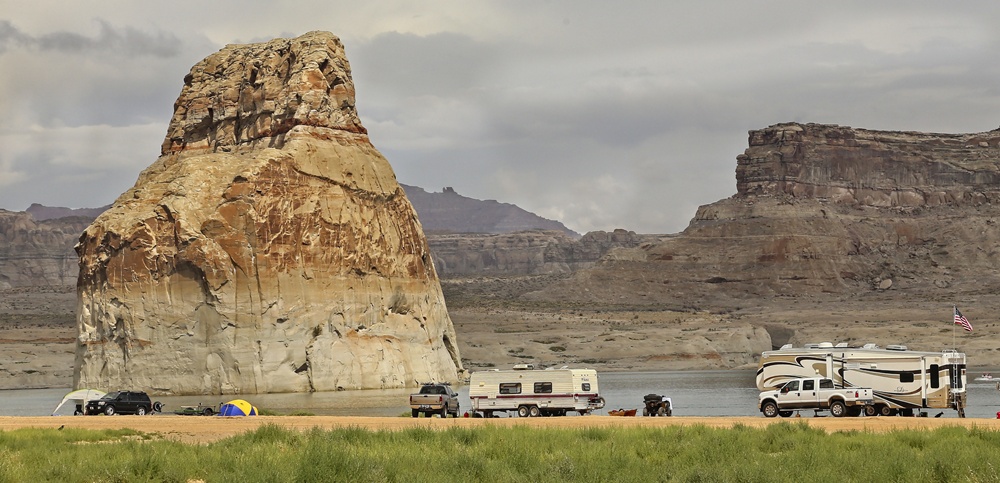
One of the best parts of RV travel is flexibility – there’s no need to deal with flight times or booking hotels. You can stay at a full-service RV resort with every convenience imaginable, settle into a quiet forest campground surrounded by nature, or head far off-grid and camp under a sky full of stars with nobody around for miles.
But for many RV owners – especially complete newbies – the differences between RV parks, campgrounds, and boondocking aren’t always clear. Each option comes with its own costs, conveniences, challenges, and trade-offs. I’ll admit that it’s something I overlooked, despite being so crucial to the experience.
The truth is, there’s no universally “best” way to camp. The right choice depends on your RV setup, comfort level, travel goals, budget, and how much flexibility you want on the road.
This guide breaks down the pros and cons of RV parks, campgrounds, and boondocking so you can decide which style fits your travel preferences best, and when it makes sense to use each one.
Understanding the Three Main RV Camping Styles
Before comparing them directly, it helps to lay out what each option actually means. I actually thought when I was first starting out that RV parks and campgrounds were the same, so…
RV Parks
RV parks are privately owned facilities specifically designed for RV travelers. They typically offer:
- Full hookups (water, sewer, electric)
- Designated RV sites
- Wi-Fi and laundry facilities
- Showers and restrooms
- Easy access for larger rigs
Some are basic overnight stops, while others operate more like resorts with pools, clubhouses, restaurants, and entertainment. You can use apps, maps, and other resources to figure out what each one offers beforehand. Most are much closer to cities than campgrounds, which can be convenient if you want to actually go into the city, need to run errands, fill up on gas, etcetera.
Campgrounds
Campgrounds are generally more nature-focused and can be public or private. These include:
- National park campgrounds
- State park campgrounds
- Forest service campgrounds
- County or regional parks
Amenities vary widely. Some offer hookups, while others are dry camping only. Again, make sure to check beforehand so you know what you’re getting into and come prepared. There’s nothing worse than thinking you’re going to a site with hookups only to realize it’s been a waste of your time.
Boondocking
Boondocking – also called dispersed camping or dry camping – means camping without hookups or developed facilities.
This often takes place on:
- Bureau of Land Management (BLM) land
- National forest land
- Desert areas
- Remote public land
Boondocking relies entirely on your RV’s self-contained operations and features – nothing from the outside world. It’s all on you.
RV Parks: Convenience and Comfort
RV parks are often the easiest way to throw yourself into RV travel, especially for newer owners. They’re most similar to “home” in terms of creature comforts, conveniences, and location.
Pros of RV Parks
- Full Hookups Make Life Easier
One of the biggest advantages of RV parks is access to:
- Electricity
- Fresh water
- Sewer connections
This means:
- Unlimited power usage
- Long showers
- Air conditioning without worrying about batteries
- No need to dump tanks frequently
For many travelers, especially families or long-term RVers, conveniences like these can make the difference between smooth sailing and pulling your hair out.
- Better for Large RVs
Big Class A motorhomes and larger fifth wheels are generally easier to accommodate in RV parks.
Most parks are designed with:
- Wide roads
- Pull-through sites
- Level pads
- Accessible hookups
That reduces setup stress a ton, and actually puts less wear on your rig as you’re dealing with ideal driving conditions. No dealing with the rough off-roading that you may have to deal with when you’re camping.
- Reliable Amenities
Many RV parks include:
- Wi-Fi
- Laundry rooms
- Bathhouses
- Pools
- Fitness centers
- Pet areas
For extended travel, those conveniences can make a major difference.
- Stronger Cell Service and Connectivity
RV parks are often located near towns or highways, making it easier to:
- Work remotely
- Stream content
- Access supplies
- Stay connected
That’s a major advantage for digital nomads and full-time RVers. Or perhaps you’re someone who just doesn’t like the idea of being so disconnected and far from “society”.
Cons of RV Parks
- Less Privacy
Sites can be close together, especially in high-demand areas.
You may hear:
- Generators
- Traffic
- Neighbor conversations
- Late-night activity
Some RV parks feel more like parking lots than campsites. There’s not a lot of charm and it doesn’t really feel like “travel” at those types of parks.
- Higher Costs
RV parks are typically the most expensive option.
Depending on location and season, nightly rates can range from:
- $35 to $100+ per night
- Even higher for luxury RV resorts
Long-term stays can add up quickly, depending on how long you stay and where you’re staying.
- Less Immersive Nature Experience
Many RV parks prioritize convenience over scenery.
You may be close to:
- Roads
- Commercial areas
- Other RVs
If solitude and natural surroundings are your priority, RV parks may feel limiting. Every park is different, and there are some that feel more immersive.
Campgrounds: Balance Between Comfort and Nature
Campgrounds occupy the middle ground between full-service RV parks and completely off-grid camping.
For many RV travelers, this becomes the ideal long-term balance.
Pros of Campgrounds
- Better Access to Nature
Campgrounds are often located in:
- National parks
- Forests
- Lakeside areas
- Mountain regions
This creates a far more scenic and immersive outdoor experience, overall. It feels like, well…camping.
- More Privacy and Space
Compared to RV parks, campground sites are usually:
- More spread out
- Surrounded by trees or natural barriers
- Quieter overall
That added space and intimacy just between you and nature changes the entire atmosphere.
- Lower Cost
Public campgrounds are often much more affordable than private RV parks.
Typical nightly rates range from:
- $15 to $45 per night
Some more basic campgrounds can cost even less and I find that the more basic ones can still be quite charming and fun.
- Ideal for Recreational Travel
Campgrounds work particularly well for travelers focused on:
- Hiking
- Fishing
- Kayaking
- Wildlife viewing
- National park exploration
The environment becomes part of the experience rather than just a place to park.
Cons of Campgrounds
- Limited Hookups
Many campgrounds offer:
- Partial hookups
- Electric only
- No hookups at all
You’ll likely need to conserve:
- Water
- Battery power
- Tank space
- Reservations Can Be Competitive
Popular campgrounds – especially those located in national parks – can book up really fast.
In peak season, reservations may fill:
- Months in advance
- Sometimes within minutes of release
Yes, I learned this the hard way, so do yourself a favor and plan as far in advance as you can, as long as it makes sense.
- Less Suitable for Very Large RVs
Older campgrounds may have:
- Narrow roads
- Tight turns
- Short campsite lengths
Large rigs may struggle in certain locations, and you may want to avoid that unnecessary strain on your gear.
Boondocking: Freedom and Self-Sufficiency
Boondocking appeals to RVers who value independence, solitude, and remote travel.
For many experienced RV owners, it becomes the most rewarding style of camping. However, it’s important to know that it’s also the most risky if you’re unprepared.
Pros of Boondocking
- Maximum Privacy and Solitude
Boondocking often means:
- No immediate neighbors
- Quiet surroundings
- Wide open space
For travelers seeking peace and a disconnect from crowded campgrounds, this is a massive advantage. It really feels like nothing else in the world – knowing that it’s just you and the beautiful Mother Nature surrounding you. Even better, that you have a home that you can rest and relax in when you’re not outdoors.
- Extremely Low Cost
Most boondocking on public land is:
- Free
- Or very inexpensive
This makes it especially attractive for:
- Long-term travelers
- Budget-conscious RVers
- Full-timers
Considering I was spending an average of about $1k a month with RV parks the year prior, this was a huge savings for me.
- Incredible Scenic Locations
Some of the most beautiful RV locations are accessible only through boondocking. I’ve been treated to some of the most breathtaking views and sunsets right from my couch, thanks to boondocking.
Examples include:
- Desert landscapes
- Remote forests
- Mountain overlooks
- Lakeside dispersed camping areas
The experience often feels far more adventurous and personal. You have full control over where you are, and you’re not likely to encounter anyone else.
- Greater Flexibility
Without campground reservations or park schedules, boondocking allows for:
- Spontaneous travel
- Flexible itineraries
- Longer stays in remote areas
Cons of Boondocking
- No Hookups or Facilities
You are fully dependent on:
- Battery capacity
- Solar power
- Fresh water storage
- Waste tank management
Resource conservation becomes part of daily life.
- Requires More Preparation
Successful boondocking often involves:
- Solar setups
- Portable generators
- Water planning
- Battery monitoring
- Route research
There’s a learning curve involved, and it can be a bit scary at first.
- Connectivity Can Be Limited
Remote areas may have:
- Weak cell service
- No internet access
- Limited GPS reliability
For remote workers, this can be pretty difficult if you don’t already have your own provider and services set up.
- Weather and Terrain Risks
Remote roads may become dangerous due to:
- Mud
- Snow
- Sand
- Flash flooding
Recovery assistance may also be limited.
Which Option Is Best for Beginners?
For most first-time RV travelers:
RV Parks
Are the easiest starting point because they reduce stress and simplify setup.
Campgrounds
Become appealing once you’re comfortable managing water, power, and basic RV systems.
Boondocking
Usually makes the most sense after gaining experience and confidence in your RV setup.
That said, many travelers eventually combine all three styles depending on the trip.
A Realistic Hybrid Approach
Most experienced RVers don’t exclusively choose one camping style.
Instead, they mix options strategically:
- RV parks for laundry, resupply, and long showers
- Campgrounds for scenic stays and recreation
- Boondocking for solitude and cost savings
This approach creates flexibility while avoiding burnout from any one style. It’s also a nice idea to start with, say, RV parks, then move onto campgrounds, THEN try boondocking, after you’ve become more comfortable with the way of life and how the systems operate. Another option is boondocking for short periods at a time, alternating with an RV park or camp.
Important Factors to Consider Before Choosing
Your RV Type
Larger RVs generally do better in:
- RV parks
- Developed campgrounds
Smaller rigs and vans have greater flexibility for:
- Remote camping
- Narrow roads
- Boondocking
Your Comfort Level
Ask yourself:
- Do you prefer convenience or independence?
- How comfortable are you managing utilities?
- Are you prepared for limited services?
Your camping style should match your tolerance for uncertainty and self-sufficiency.
Your Travel Goals
If your focus is:
- Relaxation and amenities – RV parks
- Nature and recreation – campgrounds
- Solitude, absolute freedom, and sheer nature – boondocking
Essential Gear for Any Camping Style
Regardless of where you stay, a few essentials make RV travel easier:
- Surge protector
- Freshwater hose
- Sewer hose support
- Portable air compressor
- Leveling blocks
- Basic tool kit
- Backup power solutions
Preparation matters in every environment, so try to keep all of these handy, no matter where you’re staying.
Common Mistakes to Avoid
Choosing Based Only on Price
Free camping is appealing, but only if your RV can work with it comfortably. If you need certain amenities and they’re not there, there’s really no point.
Overestimating Your RV’s Capabilities
Not every RV is suited for rough roads or extended off-grid use. It’s always best to play on the conservative side of things when it comes to RVing. You never want to put yourself in a potentially dangerous or complicated situation.
Ignoring Reservation Windows
Popular campgrounds and RV parks can fill extremely quickly during peak seasons.
Underestimating Resource Usage
Power, water, and tank capacity disappear faster than you may very likely expect. Again, be conservative with resource usage and have backups where possible.
Final Thoughts
RV travel offers multiple ways to experience the road, and each camping style brings its own advantages.
RV Parks
Best for convenience, hookups, and predictable comfort.
Campgrounds
Offer a balanced mix of nature and accessibility.
Boondocking
Provides unmatched freedom, solitude, and adventure, but requires preparation, independence, bravery, and experience.
For many RVers, the ideal setup isn’t choosing one over the others; it’s knowing when to use each one.
Quick Comparison Checklist
Choose RV Parks If You Want:
- Full hookups
- Reliable amenities
- Easier setup
- Strong connectivity
Choose Campgrounds If You Want:
- Scenic environments
- Moderate costs
- Outdoor recreation
- More privacy
Choose Boondocking If You Want:
- Maximum freedom
- Remote locations
- Low-cost travel
- Off-grid experiences
With the right expectations and preparation, all three can become valuable parts of your RV travel experience.